RegTech Compliance Automation: Complete B2B Guide

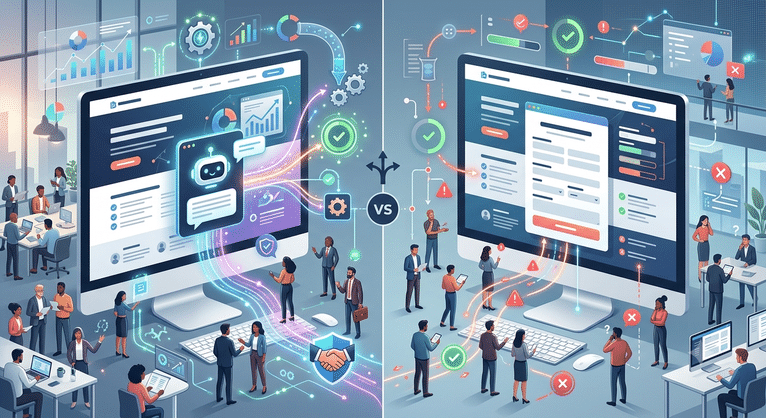
RegTech compliance automation dashboard showing real‑time control monitoring, automated audit evidence collection, and regulatory change alerts for B2B compliance officers and legal ops teams

What Is RegTech Compliance Automation? RegTech compliance automation is the use of technology — workflow builders, API integrations, AI monitoring tools, and self‑reporting dashboards — to continuously track, document, and report regulatory compliance status without manual intervention. It replaces periodic,…

Web3 Wallet Integration for B2B Teams

What Is Web3 Wallet Integration for B2B? Web3 wallet integration for B2B is the process of connecting blockchain‑ready wallets (like MetaMask, Ledger, or custom institutional wallets) into enterprise finance systems so that companies can receive, manage, and reconcile crypto payments as…

Predictive Revenue Operations for B2B Teams

B2B micro-influencer marketing strategy illustration showing niche LinkedIn creators connected to professional buyer audiences through trust-based content partnerships

What Is Predictive Revenue Operations? Predictive Revenue Operations (Predictive RevOps) is the practice of using AI, intent data, and cross-functional signals — from marketing, sales, and customer success — to forecast revenue outcomes more accurately. Instead of relying on gut…

B2B Micro-Influencer Marketing: Complete Strategy Guide

B2B micro-influencer marketing strategy illustration showing niche LinkedIn creators connected to professional buyer audiences through trust-based content partnerships

What Is B2B Micro-Influencer Marketing? B2B micro-influencer marketing is the practice of partnering with niche subject-matter experts, practitioners, and community voices — typically with 1,000 to 100,000 followers — to amplify your brand message among highly targeted professional audiences. Unlike…

Sustainability Reporting for SMBs Guide

What Is Sustainability Reporting? Sustainability reporting is the process of explaining how a business manages its environmental, social, and governance impact in a clear, structured way. For SMBs, it usually means sharing practical information about energy use, waste, employee practices,…

Zero-Party Data Strategies for B2B Growth

Zero-party data collection strategy illustration showing B2B marketer using preference forms, surveys, and trust-based lead capture tools

What Is Zero-Party Data? Zero-party data is information a prospect or customer intentionally and proactively shares with a brand — through forms, surveys, quizzes, preference centres, or onboarding flows. Unlike first-party data (which is observed) or third-party data (which is purchased), zero-party…