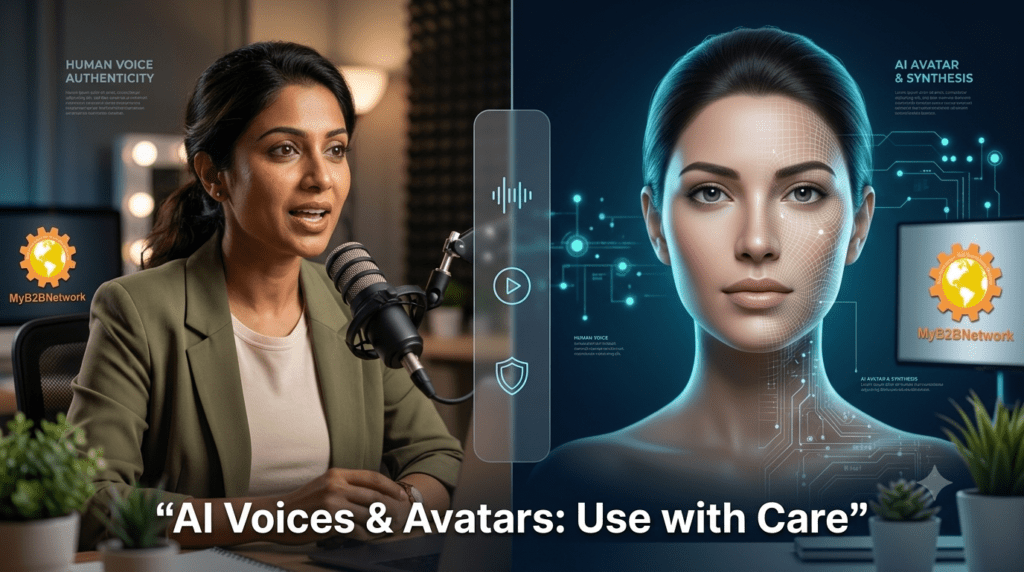
AI voices and AI avatars can speed up content production, but they should not replace human judgment in every brand use case. Used carelessly, synthetic brand faces and voices can weaken trust; used transparently, they can scale video, training, and localization efficiently.
For brand teams, the real question is not whether the technology works, but whether it matches the message, audience, and risk level. NIST says synthetic content tools can improve transparency, yet they do not guarantee trustworthiness on their own.
That is why the smartest approach is selective adoption, not blanket adoption. Brands should use AI media where speed, consistency, or localization matter most, and keep humans visible in high-trust, high-stakes communication.
This guide explains where AI voices and avatars help, where they hurt, and how to use them responsibly. It also includes a practical U.S. sourcing section for teams that want to outsource production without sacrificing compliance or credibility.
What Is AI Voices and AI Avatars
AI voices and AI avatars are synthetic media tools that generate realistic speech, facial movement, or presenter-style video from text, voice samples, or model prompts. In business terms, they are production accelerators for explainer videos, training content, localization, product demos, and social clips.
The concept matters because synthetic media changes how audiences judge authenticity. Gartner reported that 50% of U.S. consumers prefer brands that do not use GenAI, which shows that “more AI” is not automatically “more trust”.
Key forms include:
- AI voice narration for ads, explainers, and support content.
- AI avatar presenters for demos, onboarding, and internal training.
- Voice cloning and talking-head generation for scalable video production.
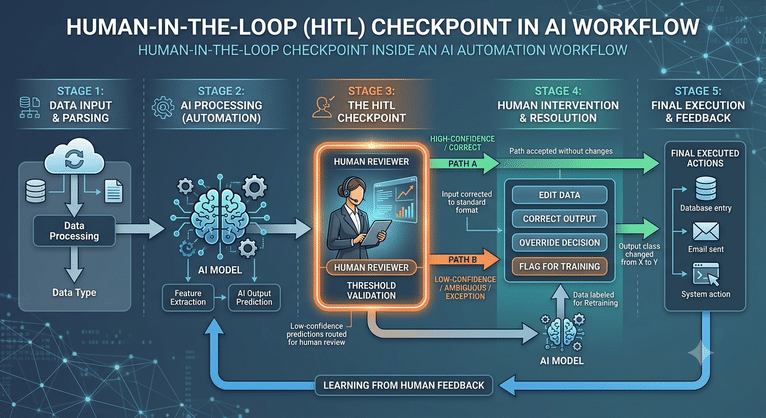
- Hybrid workflows where AI drafts the media and humans review the final cut.
Why It Matters for Businesses
AI voices and AI avatars matter because they can lower production time and expand content volume without a full studio workflow. They are especially useful for teams that need multilingual updates, frequent product messaging, or repeatable video formats.
They also create reputational risk if the audience feels misled. A systematic review of AI-generated marketing trust found that disclosure can reduce trust when it activates skepticism, while authenticity remains the key mediator of audience response.
For businesses, this means the value is real but conditional. Brands that use synthetic faces as a shortcut for authenticity can damage the exact trust they are trying to build.
When To Use Them
AI voices and AI avatars work best when the content is informational, repetitive, or operational. They are often a fit for:
- Product walkthroughs and feature updates.
- Internal training and SOP videos.
- Localized content at scale.
- Short-form explainers with low emotional sensitivity.
- Draft versions for early review before human polish.
They are weaker choices for:
- Founder messages and crisis communication.
- Testimonial-style content.
- Healthcare, finance, or regulated claims.
- Campaigns where identity, emotion, or credibility is central.
A good rule is simple: the more trust the message requires, the more human presence you should keep.
Tools, Standards, Risks
Brands should choose tools and controls together, not separately. NIST recommends provenance, watermarking, metadata, and detection approaches to reduce synthetic-content risk, but it also notes that these methods are context-specific and imperfect.
A practical comparison is below:
| Approach | Best for | Main risk |
|---|---|---|
| Human presenter video | Trust-heavy brand stories | Higher cost and slower turnaround |
| AI avatar video | Scalable explainers and training | Audience skepticism if undisclosed |
| AI voiceover | Localization and rapid edits | Flat delivery if overused |
Important tools and standards to know include:
- NIST AI 100-4 for synthetic content transparency.
- ISO 27001 for information security governance.
- SOC 2 for vendor assurance.
- FTC guidance on deceptive marketing and endorsements.
- CCPA and GDPR for privacy and disclosure obligations.
- C2PA-style provenance workflows when content traceability matters.
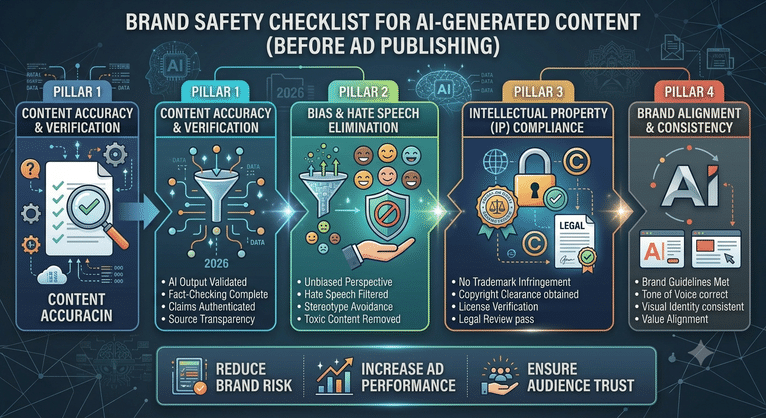
To reduce risk, brands should also build a review process that checks claims, labels, permissions, and final context before publication.
A Trust Framework
Use a simple FACE model when deciding whether to publish AI voices or avatars:
- Fit: Does synthetic media match the message and audience?
- Authenticity: Will the audience feel misled or reassured?
- Compliance: Are disclosure, privacy, and consent requirements covered?
- Escalation: Does a human need to appear in the final asset?
This framework is useful because it keeps the conversation practical. Instead of asking whether AI media is “good” or “bad,” teams can decide where it is appropriate, reviewable, and safe.
It also helps agencies and video marketers align with client expectations. For many campaigns, AI should assist production, not impersonate a person or become the brand’s only face.
How To Source In The U.S.
For U.S. outsourcing, shortlist vendors that show clear disclosure practices, model-release rules, data-security controls, and portfolio examples in your industry. Prioritize vendors with SOC 2 or ISO 27001 alignment, clear SLAs, and a documented process for handling voice rights, likeness rights, and content approvals.
A realistic timeline is 4–8 weeks for a pilot and 3–6 months for a full rollout, depending on approvals and asset volume. Budget can range from about $2,000–$10,000 per month for small and mid-market use cases, and higher for enterprise-grade customization; MyB2BNetwork can help get accurate quotations for the same.
When evaluating vendors, ask:
- How do you disclose synthetic media in final outputs?
- What consent and rights process do you use for voice and likeness?
- What security standards and data retention rules apply?
- What happens if a compliance issue appears after delivery?
- Which industries have you served in cities like Austin, New York, Chicago, Atlanta, or San Francisco?
Do due diligence on past clients, sample quality, legal terms, and red flags such as vague ownership clauses or no written disclosure policy. For regulated work, confirm how the vendor handles FTC rules, HIPAA, CCPA, GDPR/UK-GDPR, and any industry-specific requirements before signing.
FAQ
What is AI voices and AI avatars and why does it matter for B2B businesses?
AI voices and AI avatars are synthetic media tools used to create narrated or presenter-led content at scale. They matter because they can speed up production, but they also affect trust, disclosure, and brand credibility.
How do I choose the right vendor for AI voices and AI avatars within my budget?
Start with your use case, then compare vendors on cost, disclosure, security, revision limits, and rights management. The best vendor is usually the one that fits your risk level, not just the cheapest monthly plan.
What checks should I do before outsourcing AI voices and AI avatars?
Review portfolios, client references, compliance proof, SLAs, contract terms, and data-handling policies. Also confirm how the vendor discloses synthetic media and whether they can support your approval workflow.
How long does AI voices and AI avatars outsourcing typically take and what does it cost?
A pilot often takes 4–8 weeks, while a broader rollout can take 3–6 months. Costs commonly range from $2,000–$10,000 per month for smaller programs, with enterprise projects priced higher depending on scope.
Work With MyB2BNetwork
MyB2BNetwork helps B2B teams plan, write, and distribute content that balances growth with trust. If you are testing AI voices and AI avatars, we can help you build the right messaging, disclosure, and distribution strategy around them.
We also support content strategy, SEO, and lead-generation execution across blogs, LinkedIn, and video-led campaigns. Start with our content strategy services, SEO and AEO support, and B2B lead generation playbooks to turn synthetic media into a measurable asset.